
Discover Finland: Cities, Lakes, Nature, and Travel Planning
Find accommodation
For a successful trip to Finland, your destination, season, available time, and mode of transport should all work together. Helsinki and southern Finland are easy to combine with city visits and short excursions; the Lakeland region is well suited to longer stays by the water, while Lapland calls for its own itinerary because of the long distances. First decide whether cities, nature, islands, a holiday cottage, or winter activities are your main focus. You can then choose a suitable route and accommodation.
What kind of trip to Finland is right for you?
A first visit can begin with a few days in Helsinki, with a side trip to the surrounding area. If you have more time, combine the capital with a second region rather than trying to cross the entire country in quick succession. For a more relaxed trip, spend several nights in one place; a round trip is better suited to travelers who enjoy moving between destinations and have enough time set aside for travel days. The pages on Finland’s regions and destinations, practical trip planning, accommodation, and nature and activities can help with each decision.
Cities, coast, and islands
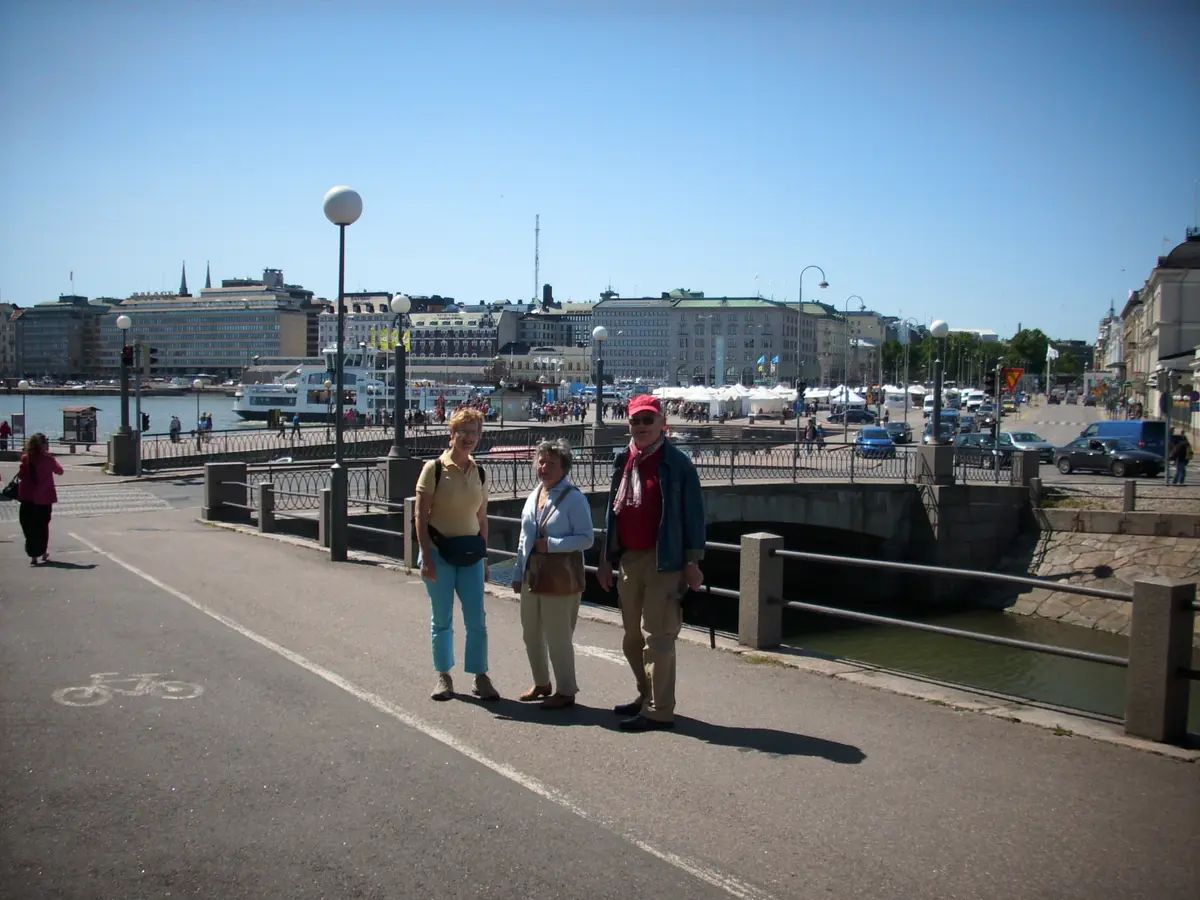
Helsinki brings together a harbor, architecture, museums, markets, and short distances in the city center. If you’re staying without a rental car, accommodation near public transport is convenient and keeps many journeys manageable. Depending on the time of year, a stay in Helsinki can be complemented with coastal or island destinations. Turku is also a good base if you want to combine the old town, riverside, and archipelago. An overview of Turku shows what kind of city experience to expect there. Tampere, meanwhile, is a good choice for a city break among lakes and industrial heritage; find out more in the article about Tampere.
Lakeland and peaceful days in nature
In the Lakeland region, water, forests, and smaller towns are often close together, though the distances between holiday destinations can still be longer than you might expect. When choosing a lakeside cottage, consider not only the view and amenities but also how easy it is to reach shops, excursions, and transport connections. If you want to spend time by the water, check whether access to the shore, a boat, or a jetty is actually included with the accommodation, and what uses are permitted. Savonlinna on Lake Saimaa can serve as a base for culture and lakeside scenery. For accommodation, compare location and amenities in the guide to holiday homes, mökkis, and hotels.
Lapland and the far north
Lapland differs from southern Finland in its greater distances, longer periods of limited daylight in winter, and exceptionally long, bright summer nights. For some trips, Rovaniemi is a transport hub and starting point, but other destinations are far apart. For a winter trip, plan driving times, available daylight, weather contingencies, and possible transfers together. In summer, long days are helpful, but be sure to leave enough time to rest. A trip to Rovaniemi can be combined with a suitable nature or winter program, such as winter tours or ski resorts and cross-country skiing. Choose activities based on the season, your experience, and the actual conditions.
Choose your travel season and daily itinerary
In summer, long days leave more time for excursions, but it may be worth booking accommodation and transport earlier during popular holiday periods. Autumn brings shorter days and changeable weather, but can also be a good time for a peaceful stay in nature. In winter, the experiences available depend greatly on whether you are in the south or the north. Snow, temperatures, and visibility cannot be guaranteed for a specific date. The article on Finland’s climate offers a helpful overview of daylight and the seasons. Plan one main activity for each day, along with an easier alternative in case of rain, wind, or fatigue.
Getting there and getting around
For short stays in Helsinki, public transport may be enough; a car is often more convenient for remote accommodation and flexible excursions into nature. Trains and long-distance buses connect many cities, but they won’t necessarily take you all the way to a cottage or trailhead. Traveling by ferry can make sense if the crossing is part of the holiday or you’re bringing your own vehicle. Whichever option you choose, compare not only the journey time but also the arrival point, connections, luggage, costs, and time needed to reach your accommodation. The overview of trains, buses, cars, and local transport complements the page Planning a practical trip to Finland.
Choose accommodation to suit your route
A centrally located hotel is convenient for a city visit; a mökki may be a good choice for several peaceful days by a lake. However, the term alone tells you little about comfort, running water, a sauna, cleaning, or road access. Read the specific description and check what is included in the total price. In winter, heating, dry storage, and accessible road access are especially important. On a round trip, choose overnight stops so that you don’t have to start every day with a long transfer. The guide to comparing accommodation in Finland explains the main differences.
Enjoy nature and prepare thoughtfully
Finland’s natural landscapes range from trails close to cities to remote forests, fells, and waterside scenery. Choose a hike’s length to suit your experience, the available daylight, and the weather; check trail conditions and access locally before setting out. The articles on national parks and hiking in Finland offer tips for planning your trip. If you’re staying at a campsite, read the recommendations for camping with a tent, motorhome, or cabin. When out on the water, consider swimming ability, cold, wind, and appropriate equipment. Fishing rules also vary: they depend on the body of water and the type of fishing, so start with the overview of fishing in Finland.
A simple order for planning
- Note your trip length and season, along with the two or three experiences that matter most to you.
- Choose one main region and check whether you can reach a second region without too many long travel days.
- Decide whether you’ll need a car, or whether you can connect cities and destinations by train, bus, and short transfers.
- Then look for accommodation in a location that works for your planned activities.
- Allow extra time for activities, plan alternatives, and check current conditions shortly before your excursion.
Following this order can prevent a seemingly affordable location from making your whole route more difficult. A longer stay in one place can be more relaxing and easier to plan than moving on every day. If you’re starting with a city break, Helsinki, Turku, and Tampere offer some great ideas; for outdoor activities, see the pages on nature experiences and national parks.
Frequently asked questions about trips to Finland
How much time should I plan for?
It depends on how many regions you want to visit. A stay in Helsinki can be planned around a short trip, while visiting several far-flung parts of the country requires extra travel and rest days. Keep your route to a manageable size if travel times would take up a large part of your holiday.
Do I need a rental car?
Not for every trip. In Helsinki and at cities with good connections, public transport may be enough. A car offers more freedom for remote holiday homes, flexible excursions into nature, or longer journeys with several stops. Weigh the benefits against the cost, driving conditions, and parking availability.
Can I see the Northern Lights in summer?
During the bright summer nights, much of Finland is not dark enough to see them. The Northern Lights are an unpredictable natural phenomenon, so you shouldn’t plan on them as a guaranteed part of your trip. If you’re visiting the north, it’s worth planning a varied itinerary that doesn’t depend on a possible sighting.
What should I check before a trip into nature?
Check the weather, daylight, trail length, return route, equipment, and guidance for the area. For water and winter activities, also take cold, ice, and local safety conditions into account. Choose an activity that suits your experience even if conditions worsen.
